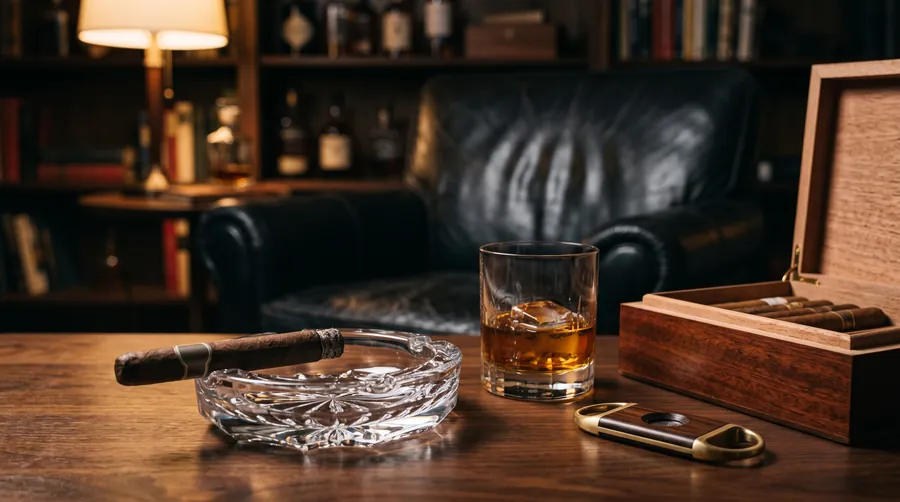
Speyside, Highland, Islay, Ireland, Japan and America, between €40 and €80 a bottle. A shelf that covers the whole map and teaches you what you like.
The whisky aisle is designed to intimidate. Hundreds of bottles, most of them handsome, prices from €25 to €2,500, and a vocabulary of peat, sherry and finish that assumes you already know. You do not need to. Six bottles chosen to be as different from each other as possible will teach you more in three months than a decade of random buying, and none of them costs more than a good dinner.
The six
- Glenmorangie The Original 10, Highland, about €40. The gentle introduction: vanilla, citrus, honey, from tall stills and bourbon casks. If you do not like this, whisky may not be for you.
- GlenDronach 12, Highland, about €55. Aged entirely in sherry casks: dried fruit, Christmas cake, dark chocolate. The bottle that converts wine drinkers.
- Talisker 10, Isle of Skye, about €48. Maritime, peppery, a little smoke, a lot of sea. The whisky for a cold night and a fire.
- Lagavulin 16, Islay, about €80. The great peated malt: smoke, iodine, tar, sweetness underneath. Half the people who taste it never go back. The other half never forgive it. Both are useful to know about yourself.
- Redbreast 12, Ireland, about €65. Single pot still, triple distilled, sherry influenced: creamy, spicy, orchard fruit. The best value in the list and the one your guests will ask about.
- Nikka From the Barrel, Japan, about €50. A blend bottled at 51 percent in a square bottle: intense, balanced, faintly oriental. Proof that Japan learned from Scotland and then did its own thing.
Buy whisky to learn what you like, then buy more of that. Every other strategy is collecting, and collecting is a different hobby with worse odds.
How to taste them
A tulip-shaped glass, a small pour, a jug of room-temperature water. Nose it with your mouth slightly open, from a distance first, then closer. Taste a sip neat and let it sit. Then add a few drops of water and taste again; most whiskies above 46 percent open up dramatically. Write one line about each in a notebook. After a month you will notice that the lines you enjoyed writing most cluster around one style. That is the style to explore next.
What to buy seventh
If it was the GlenDronach: Aberlour A’bunadh, Macallan 12 Sherry Oak, Glenfarclas 15. If it was the Lagavulin: Ardbeg 10, Laphroaig 10, Caol Ila 12. If it was the Redbreast: Green Spot, Powers John’s Lane. If it was the Nikka: Yamazaki 12 when you can find it at a sane price, Hakushu 12, Chichibu if you are lucky. If it was the Glenmorangie: Clynelish 14, Balvenie 14 Caribbean Cask, Glenfiddich 15. The map is large. Six bottles have shown you which corner of it is yours.
Storing and serving
Upright, out of sunlight, at room temperature. An open bottle keeps for a year or two; below a third full, drink it within months. Serve neat with water on the side, or over one large clear cube if that is how you like it and ignore anyone who says otherwise. A whisky you enjoy the way you enjoy it is being drunk correctly.
Questions we get asked
Should I buy age statements?
For a first shelf, yes, because they tell you something. Later you will find excellent whiskies without them, but at the start the number is a useful guide to what you are paying for.
Blend or single malt?
Both. Nikka From the Barrel and Johnnie Walker Black are blends and better than many malts at twice the price. Single malt is a style, not a rank.
Is whisky an investment?
Not for you. The bottles that appreciate are bought by people with warehouses and patience. Buy what you will drink and drink it.