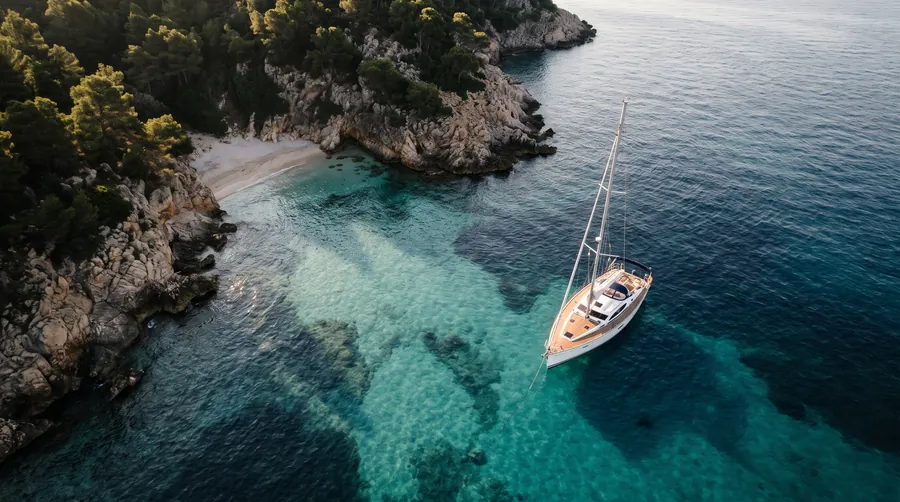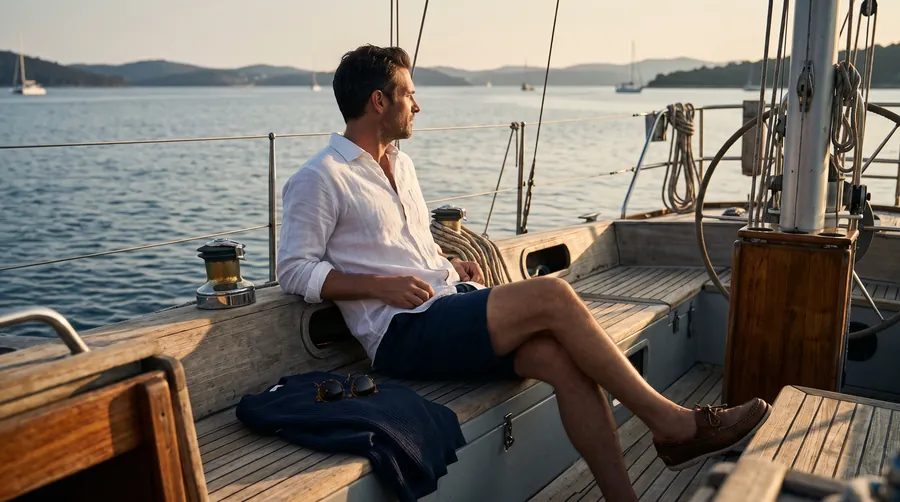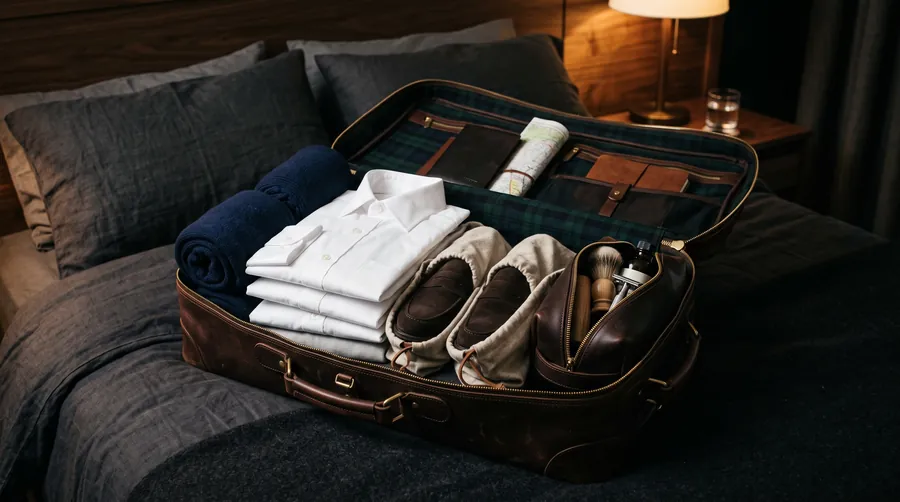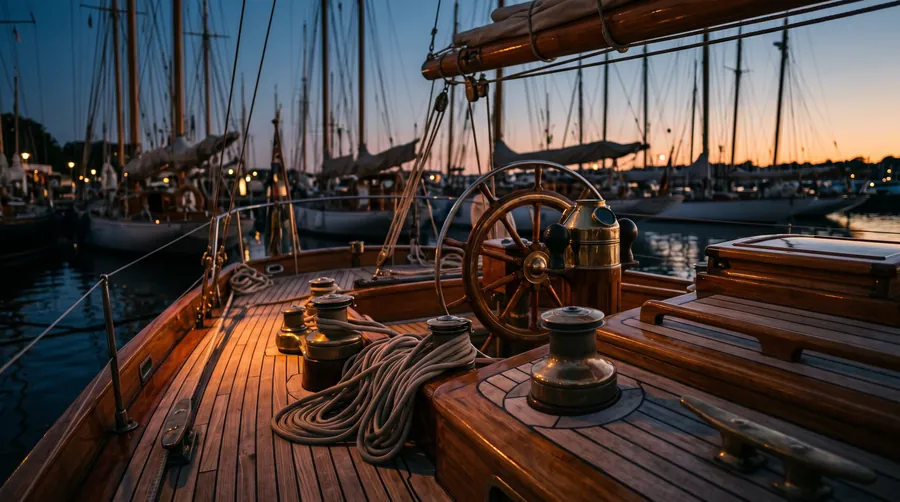

You do not need a licence, a boat or a lifetime of sailing to spend a week on a yacht. You need a good skipper, the right boat for your group and an honest budget. How a skippered charter works, from the booking to the last night at anchor, and what it really costs.
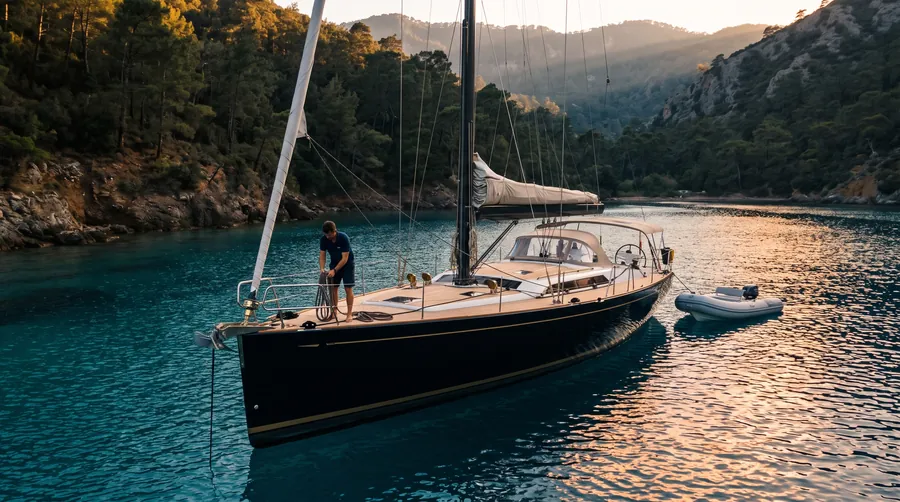
The idea usually arrives on a ferry. You watch a sailing yacht slip out of a harbour at seven in the evening, sails up, two people with a glass in the cockpit, and you think that this is the way to see a coast. It is. And it is far more within reach than it looks. You can charter a yacht with a professional skipper for a week without a licence and without knowing a sheet from a halyard, and in June or September a week for six costs per couple about what a good hotel room would.
Bareboat, skippered or crewed
Charter companies offer three ways onto the water. Bareboat means the boat is yours and so is the responsibility: you need a recognised licence, in most countries an ICC or a national certificate plus a radio certificate, and genuine experience. Skippered means you rent the same boat and add a professional skipper, who sails, navigates, anchors and moors while you swim, eat and learn as much or as little as you like. Crewed means a larger yacht with a permanent crew, usually a captain, a cook or host and a deckhand, and a price to match. For a first week, skippered is the answer: the freedom of a private boat and the judgement of someone who has spent a thousand nights in those bays.
Choosing the boat
Count the people, then add the skipper. A sailing yacht of 40 to 46 feet has three or four double cabins, and the skipper needs a berth of their own, either a small cabin in the bow or one of the doubles. A catamaran of the same length has four double cabins, berths for the crew in the bows, a saloon the size of a small flat, a deck that stays level under sail and a shallow draught that reaches anchorages a monohull cannot. It also costs roughly twice as much. A motor yacht covers distance quickly and in comfort, and burns diesel at a rate that becomes the largest line on the bill.
- Two couples: a 38 to 41 foot sailing yacht with three cabins, one for each couple and one for the skipper.
- Three couples or a family of six: a 44 to 46 foot sailing yacht with four cabins, or a 40 to 42 foot catamaran if comfort matters more than the feeling of a boat heeling under sail.
- Eight to ten friends: a catamaran of 50 feet, or a sailing yacht of 54 to 56 feet with a crew cabin.
Look at the age of the boat, not only the length. A three-year-old yacht with a well-kept interior is worth more than two extra feet. Ask what is included: a tender with an outboard, a bimini for shade, cockpit cushions, bed linen and towels, a snorkelling set, a paddle board. These are the things that make a week comfortable, and they are often extras.
How the week runs
Most charters in the Mediterranean run from Saturday to Saturday. Check-in is in the afternoon: the skipper meets you at the marina, the base walks you through the inventory and the safety equipment, and you stow your soft bags and go shopping for the first days. The first night is usually spent in the marina. From Sunday the rhythm is simple. A swim before breakfast, a few hours of sailing in the morning, lunch at anchor in a bay, a longer passage or a quiet cove in the afternoon, and the evening either at anchor with dinner on board or in a harbour town with a table ashore. On Friday afternoon you return to the base, refuel and spend the last night alongside. You leave on Saturday morning.
The route is a conversation, not a contract. Tell the skipper what you like, whether that is swimming, walking up to a monastery, long lunches, a restaurant worth the detour or simply a passage under sail for its own sake, and let them fit it to the forecast. The best skippers change the plan at breakfast because they know which bay will be crowded and which crossing will be uncomfortable after lunch.
The skipper is not a driver. The skipper is the person who knows where the wind will be at four o’clock and which bay will still be quiet at six. Pay for that knowledge, then listen to it.
What it costs
The charter fee in the brochure is only the beginning. These are indicative ranges for a 44 to 46 foot sailing yacht in Croatia or Greece in 2026; the quote from the charter company decides.
- Charter fee: roughly €2,300 to €3,200 for the week in May or October, €4,200 to €5,800 in July and August.
- Skipper: around €170 to €230 a day, usually paid on board, plus the skipper’s meals, which the guests cover.
- Extras at check-in: end cleaning, bed linen, a transit log or tourist tax, gas and the outboard, often €250 to €450 together.
- Running costs: diesel for a sailing week, usually €100 to €250; harbour fees from nothing at anchor to €150 a night or more in a popular marina in high summer.
- Deposit: €1,500 to €3,000, blocked on a credit card and released when the boat comes back undamaged. Most companies offer deposit insurance, which turns it into a small premium that you do not get back.
Add food and drinks on board and the evenings ashore, and a skippered week for six in June or September comes close to the price of a good hotel per couple, with the difference that the view changes every day. The Charter Budget tool adds it all up for your region, season and group.
Where to start
Choose a region with short distances, sheltered water and a predictable wind: the Ionian Islands in Greece or the Dalmatian islands off Split are the classic first weeks. Keep the Cyclades in August for later, when you know whether you like the sea with some weight behind it.
How to be a good guest
Bring soft bags, never hard suitcases: there is nowhere to stow them. Outdoor shoes come off at the gangway; on deck you go barefoot or wear shoes with pale, non-marking soles. Fresh water and power are finite at anchor, so showers are short and phones are charged while the engine runs. Listen to the safety briefing, learn where the life jackets and the fire extinguishers are, and wear a life jacket in the tender at night. Ask questions, take the helm when it is offered and let the skipper sleep. When the week was good, a tip at the end is customary, and the skipper will remember you next year.
Try the tool
Charter BudgetThe boat and the bill for a week on the waterPacking ListOne bag, packed in twenty minutesQuestions we get asked
Do I need a licence for a skippered charter?
No. The skipper holds the licence and is in charge of the yacht. You need a passport or ID card and a credit card for the deposit.
Can I learn to sail during the week?
Yes, and a good skipper will be glad to teach you: steering, trimming the sails, the essential knots, anchoring. Say so at the start of the week so the route leaves time for it.
What if someone gets seasick?
Choose a sheltered region, a catamaran if possible, and sail in the morning when the sea is usually calmer. Fresh air and a look at the horizon help most people; ask a pharmacist for advice before the trip.